
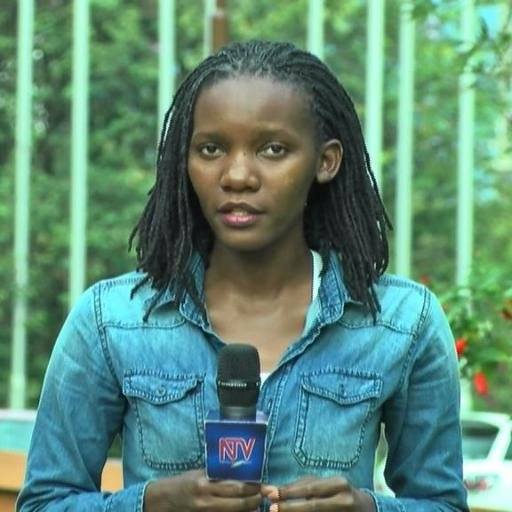
When I joined journalism, particularly at NTV Uganda, I knew I wanted to focus on women’s and children’s issues. It felt natural. Before I left my training at Nation Media Group in Kenya, one of my professors said, “Some of you will end up reporting on women and children.” He said it with a certain dismissiveness, as though these topics were secondary to the political stories that dominate African newsrooms, particularly in countries like Uganda and Kenya. At the time, I wondered: What could be so bad about covering a section of the public that’s often neglected? Little did I know just how important this would become in my career.
Taking on the Taboo: Reporting on Menstruation
A year into my job, I took over the health desk, where most of my features naturally revolved around women and children. One story that stood out to me—and still does—was covering menstruation.
If you’ve read my blog about my own menarche journey, you’ll know that periods are a deeply personal topic for me. Yet, bringing the subject to the newsroom wasn’t easy. Selling the idea to my colleagues and our news coordinator was a challenge.
Everyone seemed uncomfortable—this was a newsroom of informed, fully grown adults, yet they were cowering at the thought of covering menstruation. The questions began flying:
- What are you going to say?
- Will you mention private parts?
- What about in Luganda? (Luganda is a widely spoken local language.)
The Luganda desk was especially resistant. Even saying words like kibada (a term for menstruation) felt taboo. These words were loaded with shame, often made to sound dirty or disgusting. This reluctance reflected a larger societal discomfort with women’s bodies—a discomfort I was determined to challenge.
After much convincing, the English desk agreed to air the feature. Even then, I began second-guessing myself. Was I ready to tackle such a taboo topic on national television? I reminded myself of my purpose: to bring this important issue into public discourse. And so, I did.
Breaking the Silence
You can watch the feature here: My First Menstruation Story on NTV.
The story aired, but not without backlash. One viewer left a comment that sadly reflected the views of many:
“Do we need to know such intimate knowledge of what women go through? What next is NTV bringing? Sex positions? Spare us. Somehow generations of women in Uganda have been through this tricky stage without your education. Thanx.”
Well, Mr. or Ms. Shaggy, 12 years later, I’m here to tell you we still need this “intimate knowledge” shared publicly. Menstrual health isn’t just about education—it’s about dignity, equality, and saving lives.
Why This Matters
That first feature opened the door for me—and my colleagues—to report more stories about periods. These stories continue to shine a light on how menstrual health impacts girls’ education, their dignity, and their futures. Menstrual health education prevents school dropouts, delays early marriages, and equips girls with the tools they need to thrive.
I continued communicating the issue on my social media channels – including a time when I had to go to the field and file a non-related health feature but I was bleeding.
This is why FlowReady matters. We’re not just talking about periods; we’re breaking taboos, giving girls dignity, and paving the way for brighter futures.
P.S. Check out the Pad Project’s Period. End of Sentence. documentary.
Leave a Reply