
Menarche: A Time for Preparation, Not Pressure
The journey to menarche, marking the start of menstruation, is a significant milestone in a young girl’s life. It’s, however, overlooked! For many girls, particularly in rural areas, this transition is often tied to societal expectations that can be limiting and harmful. In some cultures, menarche is seen as a sign of readiness for marriage and childbearing, reinforcing gender inequalities and cutting short educational opportunities. Studies in low- and middle-income countries show that this perception increases the risk of early marriage and adolescent pregnancies, fueled by cultural beliefs and limited access to contraception especially when the first bleed is much earlier than age 12.
A substantial body of evidence from high-income countries suggests that early menarche–generally defined as menarche before age 12–increases adolescent girls’ vulnerability to negative sexual and reproductive health outcomes including early pregnancy and childbearing, STIs, early sexual initiation, and sexual violence
Ibitoye, M., Choi, C., Tai, H., Lee, G., & Sommer, M. (2017). Early menarche: A systematic review of its effect on sexual and reproductive health in low- and middle-income countries.

Early Intervention as a Pathway to Empowerment
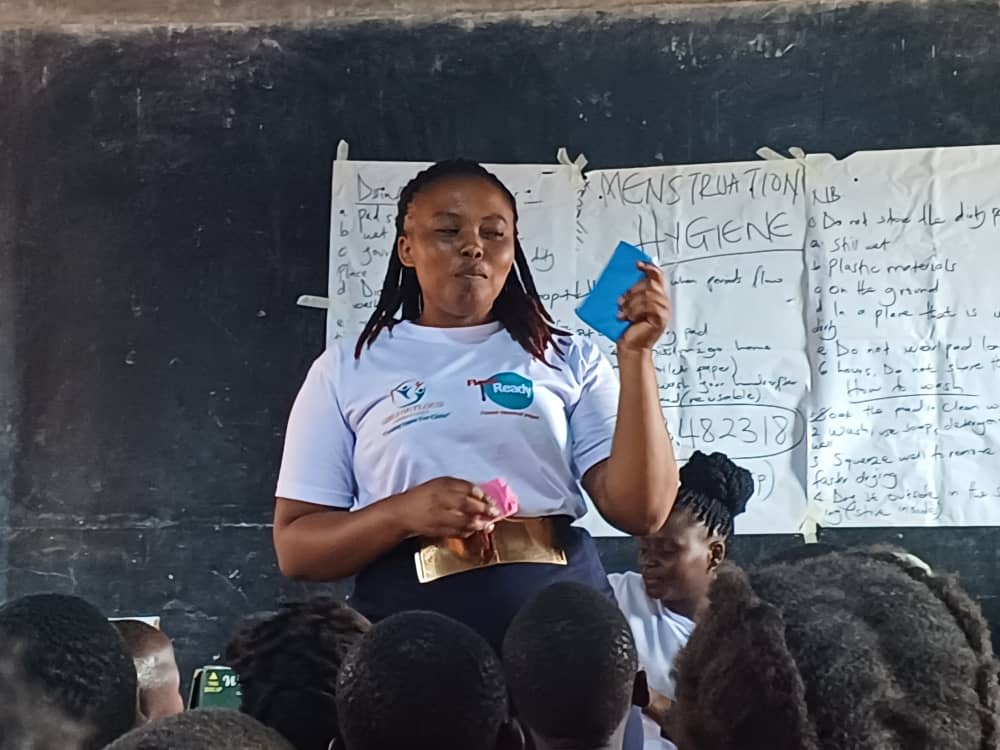
At FlowReady, we’re turning these insights into action. During our recent project in two rural schools in Luweero, Uganda, FlowReady directly impacted over 240 girls. Each received a reusable menstrual kit designed to last a year, while pre-menarcheal girls received “FlowReadyNow packs” to prepare them for their first period. Alongside these resources, our program provided menstrual hygiene and general reproductive health education to dismantle stigmas and foster a sense of community. These efforts aim to transform how girls perceive menstruation—shifting the narrative from fear and shame to pride and celebration.
Pre-menarche education equips girls with the knowledge and confidence to navigate puberty with dignity and challenge harmful societal norms. Evidence from Bangladesh demonstrates that early menstrual education can improve hygiene practices, dispel myths, and reduce shame. By normalizing menstruation and addressing taboos, education fosters a supportive environment that promotes both physical and mental health during adolescence.
FlowReady’s Impact in Luweero, Uganda
Our initiative emphasizes the importance of reaching young girls, especially those in underserved areas, to ensure they’re prepared with essentials like reusable pads, menstrual hygiene education, and support systems. Tackling myths and taboos before menarche can change how these girls experience their transition into young adulthood. The evidence is clear: educating girls before menarche helps delay societal pressures, improves health outcomes, and enables girls to focus on their aspirations.

A Brighter Future Through Pre-Menarche Education
FlowReady’s mission is to expand this work to more underserved areas, ensuring that no girl faces her transition into womanhood unprepared. By addressing myths and providing tangible support, we’re not only improving individual lives but also contributing to broader gender equality.
Stay tuned for more updates on how FlowReady is reshaping menstrual education and empowering young girls to thrive! We’ll continue to share stories of change and progress.
Leave a Reply